Ledger Login: How to Access Your Cryptocurrency Safely
Ledger Login is the process of securely accessing your Ledger hardware wallet or Ledger Live application to manage cryptocurrencies. Ledger hardware wallets, such as Ledger Nano S, Nano S Plus, and Nano X, provide offline storage for private keys, ensuring your digital assets remain protected from online threats.
This guide covers Ledger Login setup, usage, and security best practices for beginners and advanced users.
Understanding Ledger Login
Ledger Login allows users to:
Access Ledger Live to manage cryptocurrencies
Interact with decentralized applications (dApps)
Confirm transactions securely on the hardware device
Monitor balances and portfolio performance
All login processes require the PIN on the Ledger device, ensuring that private keys never leave the hardware wallet.
Why Ledger Login Is Critical
Ledger Login is crucial because it:
Prevents Unauthorized Access: Only the owner with the PIN can unlock the wallet.
Secures Transactions: All sending and receiving of cryptocurrency require device confirmation.
Centralizes Portfolio Management: Ledger Live shows balances and transaction history in one place.
Maintains Offline Security: Private keys never connect directly to the internet.
Proper Ledger Login practices are essential for safeguarding your cryptocurrency.
Step 1: Prepare Your Ledger Device
Before logging in, make sure your device is ready:
Check Packaging: Ensure it is sealed and includes the USB cable and recovery card.
Verify Authenticity: Look for tamper-evident seals and holographic stickers.
Inspect the Device: Ensure it is free from physical damage.
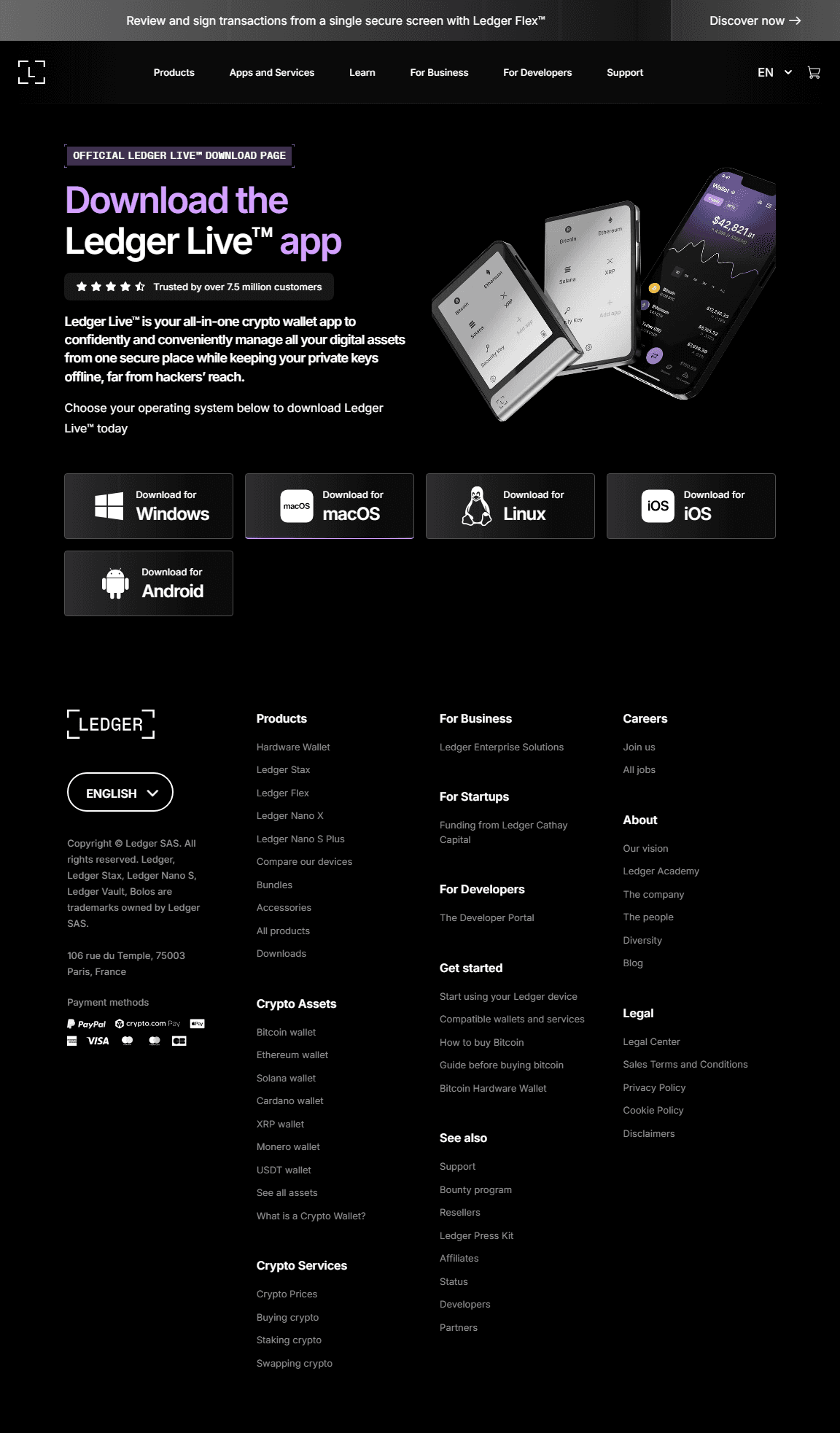
Install Ledger Live: Download from the official Ledger website.
Initialize Wallet: Create a new wallet or restore an existing one using your recovery seed.
A properly prepared device ensures a smooth and secure Ledger Login process.
Step 2: Install and Open Ledger Live
Ledger Live is the official management application for Ledger devices.
Available On: Desktop (Windows, macOS, Linux) and Mobile (iOS, Android)
Features: Send/receive crypto, track balances, update firmware, manage multiple wallets
Official Download: Only download Ledger Live from ledger.com to avoid malware
Ledger Live acts as a secure interface for Ledger Login and portfolio management.
Step 3: Logging Into Ledger
Connect your Ledger device via USB or Bluetooth (Nano X).
Open Ledger Live and select “Unlock Device”.
Enter the PIN directly on your Ledger device.
Ledger Live will synchronize and display your portfolio and account balances.
Transactions can only be confirmed on the hardware device, keeping private keys offline.
Step 4: Managing Your Wallet After Login
Once logged in, Ledger Live allows you to:
Send & Receive Crypto: Transactions must be approved on the device.
Monitor Multiple Accounts: Track balances and activities for various cryptocurrencies.
Connect to dApps: Safely interact with decentralized applications without exposing private keys.
View Portfolio: Analyze balances, transaction history, and market trends.
Ledger Login ensures that all actions are secure and verified.
Supported Cryptocurrencies
Ledger supports hundreds of cryptocurrencies, including:
Bitcoin (BTC)
Ethereum (ETH) and ERC-20 tokens
Litecoin (LTC)
Bitcoin Cash (BCH)
Ripple (XRP), Cardano (ADA), Polkadot (DOT), and many more
Ledger Live allows you to manage all supported assets from one interface after login.
Ledger Login Security Features
PIN Protection: Prevents unauthorized access to the wallet.
Recovery Seed: 24-word phrase used to restore access if the device is lost.
Offline Private Keys: Keys remain on the device and never connect to the internet.
Transaction Verification: Every transaction requires on-device confirmation.
Auto-Lock: Device locks after a period of inactivity to prevent unauthorized use.
These security layers make Ledger one of the safest hardware wallets.
Troubleshooting Ledger Login Issues
Device Not Recognized: Check USB connection or Bluetooth (Nano X).
Ledger Live Won’t Open: Reinstall from the official Ledger website.
Forgot PIN: Use the recovery seed to restore wallet access.
Firmware Update Problems: Ensure stable internet and retry.
Transactions Not Displaying: Refresh Ledger Live or check network settings.
Always use official Ledger support for complex issues.
Best Practices for Ledger Login
Download Ledger Live from the official website only.
Never share your PIN or recovery seed.
Always confirm transactions on the hardware device.
Regularly update Ledger firmware and Ledger Live.
Store recovery seeds securely offline.
Use Bluetooth connections only in trusted environments (for Nano X).
Following these practices ensures the highest level of security for your cryptocurrency.
Conclusion
Ledger Login is the gateway to securely accessing your Ledger wallet and Ledger Live. By following setup instructions, confirming transactions on-device, and adhering to security best practices, you maintain full control over your cryptocurrencies while keeping private keys offline.
Ledger Login combines convenience, security, and full control, making it an essential part of managing your digital assets.